
Do your gums bleed when you brush your teeth? If so, it’s not something you should ignore. Bleeding gums are a sign of gum disease, which can eventually lead to tooth loss. Our dentist, Dr Vanesha Nosib can provide you with a range of gum disease treatments to help manage your symptoms, as well as advice on how best to treat your gums in the long term.
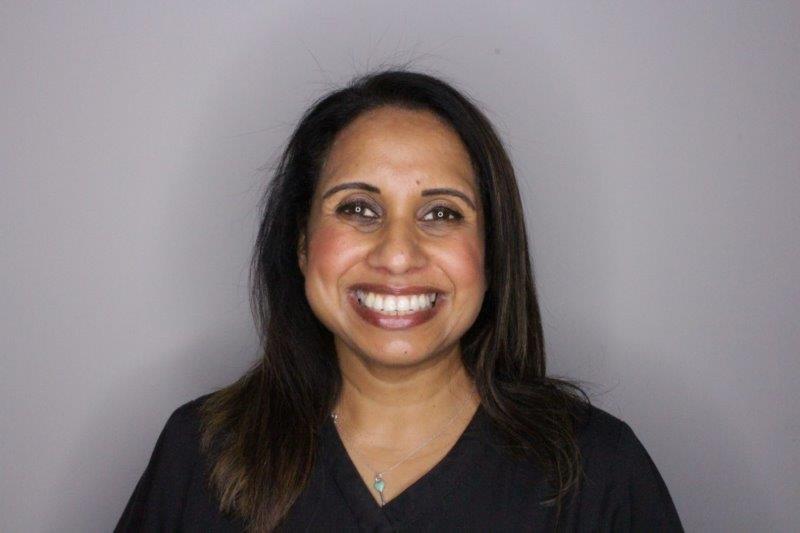
AN INTRODUCTION FROM DR VANESHA NOSIB
Vanesha is a Dentist with Special Interest in Periodontology.
Vanesha is able offer more complex periodontal treatments at the practice. This will include non-surgical periodontal treatment, periodontal splinting, “living” bridges and gingival veneers, along side surgical treatments such as crown lengthening, and regeneration surgery. Vanesha says:
I focus on treatments that target a patient’s gums and the supporting tissues around the teeth. Hopefully allowing patients to keep their natural teeth for as long as possible. The Practice is incredibly fortunate to also have a team of extremely talented Dental Therapists, committed to helping improve the oral hygiene of our patients on a daily basis.
Explore the range of treatments Our liverpool dentist can offer you
Complete a Virtual Consultation
Watch Our Featured
FAQs Video
Dr. Vanesha answers important questions about Periodontitis
With good oral hygiene, and periodontal treatment, it can allow you to keep your natural teeth for as long as possible.
Meet one of Our
Dental Therapists
Sean explains his role as a Dental Therapist
There’s nothing more rewarding for me than to see our Patients enjoying their experience at the Practice.
WHAT IS PERIODONTAL TREATMENT?
Periodontal treatment involves thorough cleaning of the gums and gumline in order to maintain optimal oral health and help to avoid gum disease. Gum disease could result in you losing your teeth, so it is important to keep your gums in great condition to ensure a strong, healthy smile.
WHAT CAUSES GUM DISEASE?
Gum disease is caused by bacteria sticking to the surface of the teeth and in the pockets surrounding the tooth. This bacteria build-up can cause inflammation, pain, bleeding gums, and even infection.
Removing plaque regularly by following a good oral hygiene routine is the easiest way to prevent periodontal disease at home. However, if gum disease is already advanced, then you may need gum disease treatment. Your dentist or hygienist can help by intensively cleaning away the plague and tartar from around the teeth and below the gum line.
Sometimes, this may take more than one visit, and local anaesthetic may be offered to prevent discomfort. The gums are then left to heal themselves. Progress will be reassessed at future examination appointments.
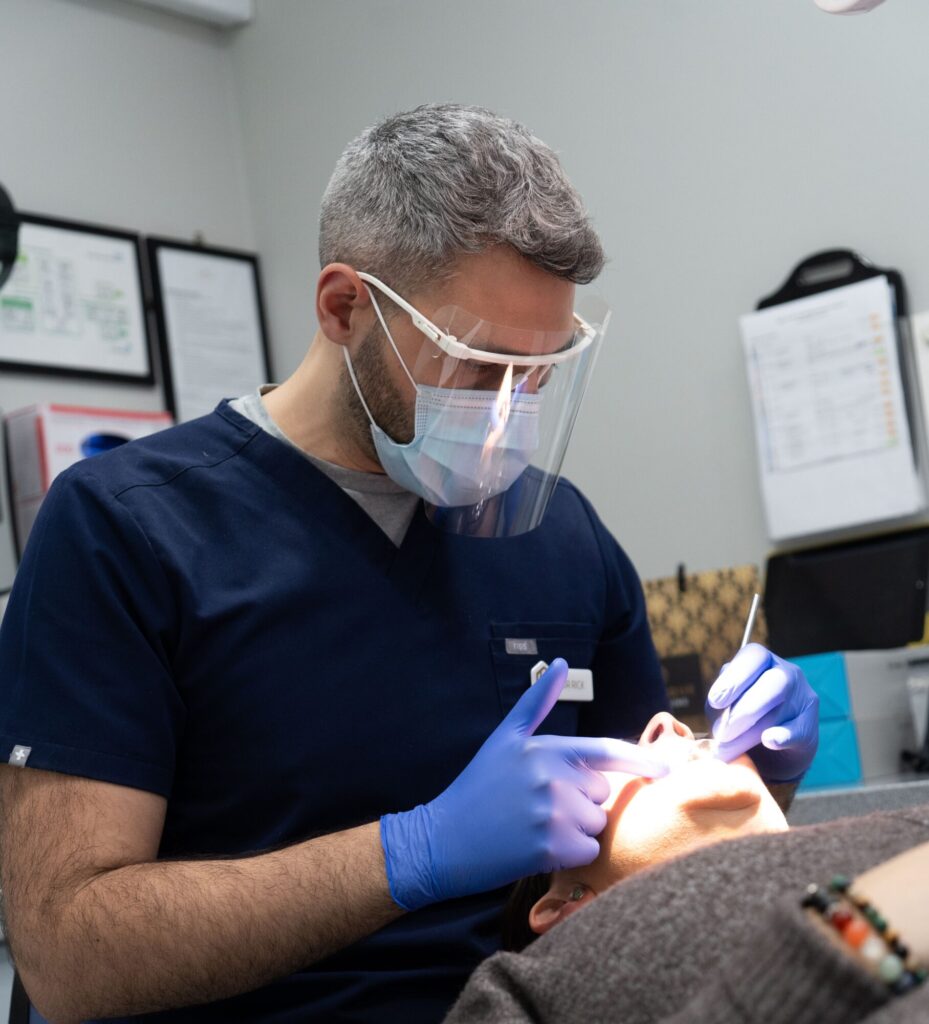
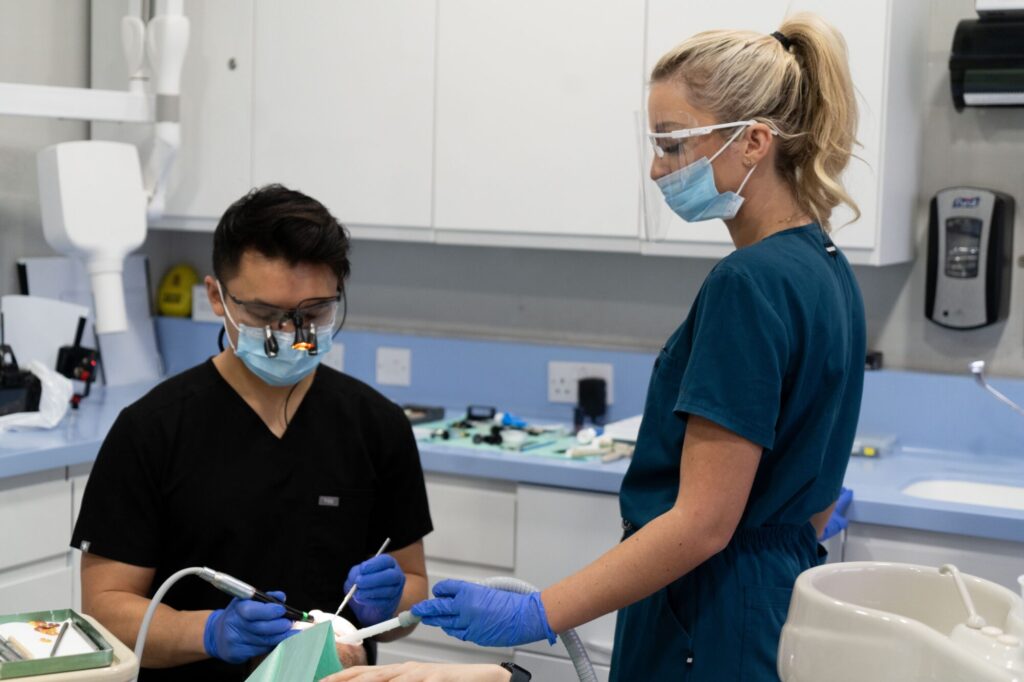
AQUACARE / AIR POLISHING
Love tea and coffee but hate how they stain your teeth? Our Aquacare stain removal treatment can literally blast stains away before your eyes. Your teeth will be not only feel incredibly clean, but they will look a lot brighter and whiter!
Aquacare is also great for keeping optimal oral health, as the minimally-invasive treatment is quick and painless whilst also providing your teeth and gums with a deep, professional clean. Add on an Aquacare treatment to your routine dental appointments to maintain healthy gums.
FAQS
Yes, if you follow a good oral hygiene routine it’s unlikely that plaque will have a chance to build up. It’s important to remember all areas of your mouth, especially in between your teeth.
The symptoms can include bleeding gums, bad breath, an unpleasant taste in your mouth, loss of teeth and gum abscesses. But the good news is, with our treatment you can put a stop to these symptoms and your oral health will be restored and you’ll be left with a smile you can be confident of.
Periodontitis occurs when gingivitis is left untreated. The build-up of plaque and tartar can result in the gums and your bones becoming damaged. Gums may bleed, become red and sore and in worse cases will separate from the teeth where the plaque can grow. If the condition is left untreated it’ll then cause damage to the bone which can result in tooth loss.
But the good news is this can all be prevented with a healthy oral hygiene routine and periodontal treatment from your dentist.
This depends entirely on your teeth, some professional cleaning may require a number of visits but this can be assessed by your dentist or therapist.
Scaling and cleaning the teeth doesn’t typically hurt. If you need further surgery to treat the worst cases, a local anaesthetic will be used whilst the treatment occurs.
Aquacare is the modern approach to a tradition scale and polish you get at the dentist. This treatment doesn’t have any scratching and scraping, instead stains are blasted away from the teeth. This treatment can be used alone, but it can also be used to enhance the process of whitening.
Aquacare Air Polishing will never come into contact with your tooth, so you won’t feel any vibration on the tooth, there’s no noise, smell or heat generation when the device is used either.
No, the Aquacare is a great option for those with hypersensitive teeth. The great thing is that this procedure can be carried out without the need of anaesthetic.