
How to keep your breath smelling fresh
What is bad breath
Bad breath, or halitosis, is a noticeable unpleasant odour which is comes from your mouth. It is a common problem which can be embarrassing for individuals, and can lead to deep anxieties. It is a curable and preventable problem, which we can hopefully shed some light on to help you manage it.
What are the symptoms of bad breath
The most common symptom is a bad smell coming from the mouth, which will either be noticed by yourself, or people around you. Other ways halitosis will present itself includes:
- An unpleasant or sour taste
- A change in taste
- Dry mouth – an indication of reduced saliva flow
- A coating of the tongue either yellow/white/green/black in colour
- Halitosis can also be associated with other medical conditions such as depression and obsessive compulsive disorder (OCD).
What can cause bad breath and who is more prone to it
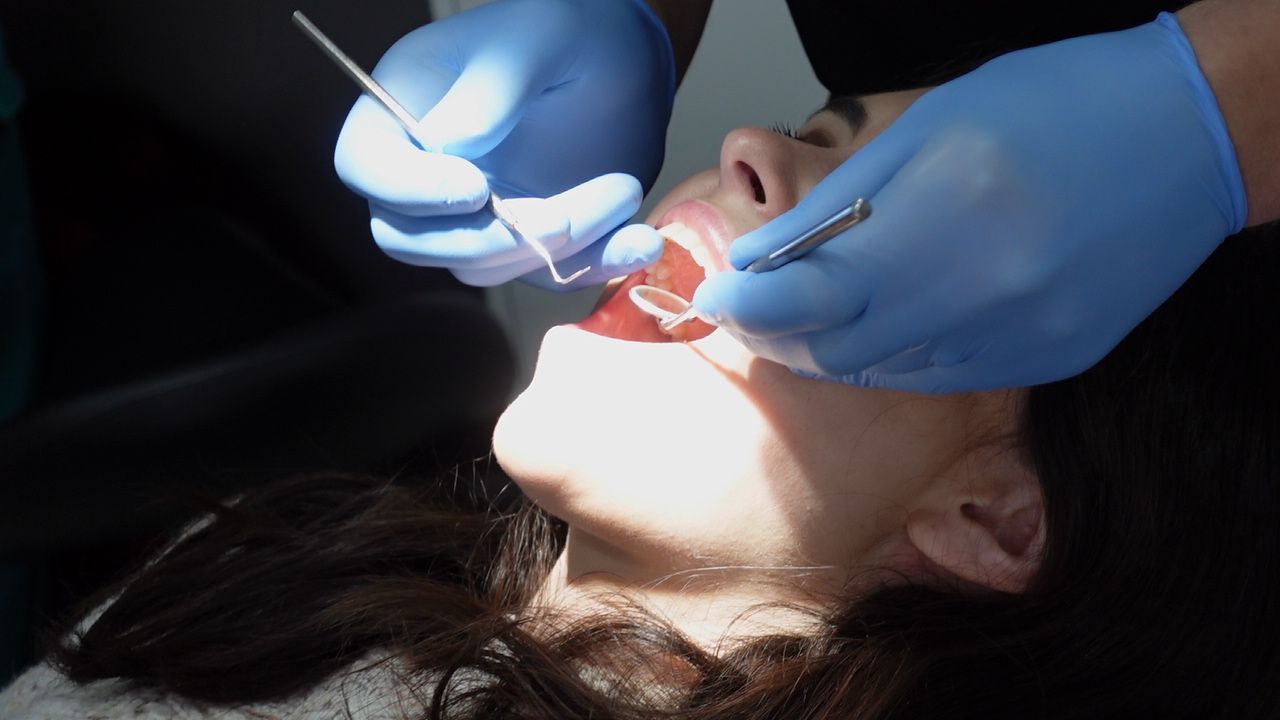
During your dental appointment, your dentist will complete a thorough examination of your whole mouth, including a check of your medical history. This will allow us to identify any signs of problems which may be contributing to your bad breath.
Feeling technical?
The most common cause of odours originates from a community of microorganisms called a biofilm. The odours form when these microorganisms break down protein molecules into smaller amino acids. The amino acids are then broken down further, producing foul smelling volatile gases such as sulphur. Biofilms are usually present in larger quantities towards the back of the mouth, due to cleanability issues. The microorganisms at the back of the mouth are usually anaerobic, meaning they thrive in conditions where oxygen lacks. Anaerobic bacteria usually cause a more putrescent like smell.
Other factors that can cause bad breath include:
- The food that you eat! Food such as garlic, onions, curry, cheese, fish, and even drinks such as coffee can cause a lingering smell.
- Uncontrolled blood sugar levels – this can lead to your breath having a distinct fruity odour, which is commonly noticed if you suffer from diabetes.
- Smoking – the use of tobacco products can leave chemicals in your mouth which leave a distinct smell. Smoking can also contribute to other causes of bad breath such as gum disease and oral cancer.
- Insufficient cleaning – If teeth are not brushed effectively and floss is not used regularly, food can build up around your teeth and accumulate bacteria, which can lead to bad breath. Build up of plaque and tartar can also lead to gum disease.
- Cavities and dental infections
- Alcoholism
- Dentures and braces – lack of cleaning around these appliances can cause bacteria to accumulate and create a foul smell.
- Dry mouth – a lack of saliva can mean that your mouth is not moistened and cleansed efficiently. Lack of saliva can be caused from continuous mouth breathing, medications, salivary gland issues and even allergies.
- Other health problems – sinus infections, sore throat, colds, thrush, postnasal drips, acid reflux, diabetes, lactose intolerance, digestion problems and even liver or kidney disease.
- The time of day – many people suffer from bad ‘morning breath’. This is usually as a result of the lack of saliva production throughout the night, which encourage odour-causing bacteria to grow. This is another reason why night time brushing is so important!
- Pregnancy – nausea, morning sickness, hormonal changes, dehydration, and a change in eating habits can all contribute to halitosis.
- Viral infections – such as herpes simplex and HPV.
What can you do to prevent bad breath
- Brush and floss regularly. Try brushing your tongue also, or buy yourself a tongue scraper to remove bacteria from your tongue.
- Regular check-ups with your dentist to spot any abnormalities.
- Avoid foods that cause a lingering bad smell as listed above.
- If you have dentures, ensure you are cleaning them properly at the end of the day to remove any plaque that has built up throughout the day.
- If you have braces on, ensure that you are spending longer on brushing around the edges of brackets and wires. Try interdental brushes, or if you have an electric toothbrush, you can buy an attachment specific for braces!
- Quit smoking or use of tobacco. If you would like advice on quitting smoking, consult your dentist who may be able to direct you to a smoking cessation service.
- Sugarless gum and mints can help promote saliva production to help ‘wash out’ your mouth, and mask the bad odours.
- Stay hydrated, again to help saliva production and prevent dry mouth.
- In addition to good cleaning, you can also use a mouthwash at a different time to brushing.
How we can treat bad breath
- If you are suffering from accumulation of tartar (also known as calculus), your hygienist can help remove this by cleaning your teeth.
- If your dentist has diagnosed gum disease as the cause, they will recommend a course of gum treatment aimed at stopping and preventing further damage to your gums.
- If cavities have been spotted visually or on an x-ray, we will recommend having a filling to prevent the cavity from progressing and causing pain.
- We may also suggest a visit to your GP if we suspect underlying health issues which are contributing to your bad breath.
At The Dental House, we are here to help you and your dental troubles.